



- Homepage
- Announcements
- Acoustics and Vibration Academy (AVA)
- Acoustic Events & Exhibitions
- Key Dates
- Congress Venue
- Distinguished Plenary Lectures
- Brochure
- Committees
- Program at a Glance
- Scientific Programme
- Submission Templates & Guidelines
- Social Programs
- Registration Fees and Details
- Accommodation
- Invitation Letter & Visa
- Sponsorship & Exhibition
- Exhibitors & Sponsors
- Student Paper Award
- Terms and Conditions of Attendance
- Publication Ethics and Malpractice Statement
- Editorial policy
- Contact Us
- IIAV
The Congress program brings together distinguished plenary speakers offering insights across diverse areas of acoustics, aligned with the congress theme: “Acoustics from Heritage Sites to Future Cities.”
.jpg) Jens Holger Rindel
Jens Holger Rindel
Odeon A/S, Kgs. Lyngby, Denmark
DTU (retired), Kgs. Lyngby, Denmark
Jens Holger Rindel has more 50 years of experience in architectural acoustics and has been professor in accoustics at the Tecnical University of Denmark untill 2007. He is the founder of Odeon A/S devoloping room acoustics software. He is a Fellow of the Institute of Acoustics and of the Acoustical Society of America, and Honarary Member of the acoustical societies of Denmark and Norway. He has published textbooks on building acoustics and on arcitectural and environmental acoustics. He was chairman of the Technical Commitee for Building and Room Acoustics of EAA 2001 - 2007. He is active in International Standardization and has been convenor of several ISO working groups.In 2000-2006 he was project leader of EU-Projects within cultural heritage studying the acoustics the acoustics of ancient workship spaces and Roman theatres.
Acoustics of ancient theatres
The last 25 years have shown a growing research activity in the interdisciplinary field between archaeology and acoustics, with a special attention to the cultural heritage of ancient monuments.
The lecture will begin with the origin and early development of Greek theatres. Together with stadia and music halls (odea), the theatres were used for periodic festivals with competitions in many different disciplines. The most important sound sources include the speech by actors, song by a chorus, and music with the aulos (a double wind instrument) and the cithara (a plugged string instrument).
One question to be dealt with is, how much did the ancient architects know about acoustics? Quotations from the work of Plato and Aristotle suggests that the knowledge was quite advanced. Science, and in particular mathematics, reached a summit in the fourth century BCE. Mathematics included both geometry and music theory. The problematic contribution of Aristoxenus (ancient musicology scholar), suggesting acoustic vases to improve the acoustics of a theatre, will be commented on. One important source of information on the ancient theatres is the books on architecture by the Roman architect Vitruivius.
The transition from Greek to Roman theatres and the acoustical consequences will be explained. In addition, the roofed theatres (odea) and their acoustics will be demonstrated. The Roman amphitheatres and their relation to the other ancient theatre types will also be discussed.
 Zühre Sü Gül
TED University, Ankara, Turkiye
Dr. Zühre Sü Gül is an Associate Professor of Architecture at TED University, Ankara. Her research lies at the intersection of architectural acoustics and computational modeling, focusing on sound energy decays in coupled volume systems, monumental historical structures, diffusion equation model applications, and the acoustics of cultural heritage buildings, including archaeoacoustics. She earned her Ph.D. in Building Science in Architecture from Middle East Technical University (METU, Ankara) and an M.S. in Architectural Acoustics from Rensselaer Polytechnic Institute (RPI, NY), where she received the Robert B. Newman Medal for Merit in Architectural Acoustics. Her work has appeared in interdisciplinary journals such as Applied Acoustics, Journal of Architectural Heritage, Building and Environment, and Journal of the Acoustical Society of America, with several papers highlighted as technical area picks. As co-founder of MEZZO Stüdyo Ltd., she connects research and practice through material studies, innovative design methods, and mentoring. She is a member of the Acoustical Society of America (ASA), the Turkish Acoustical Society (TAKDER), and the Turkish Chamber of Architects (TMMOB).
The Sound of Heritage: Insights from Anatolian Sacred and Social Spaces
Anatolian architecture is deeply rooted in history, its richness shaped by successive layers of civilizations and cultures. The acoustical characteristics of these historic spaces reflect a sophisticated understanding of material, geometry, and spatial design, intricately intertwined with cultural traditions and ritual practices. This presentation examines key historical sites, including monumental places of worship, rock cut architecture, and traditional Turkish baths, emphasizing their distinctive contributions to the acoustical heritage and social life of Anatolia within Ottoman and Byzantine contexts. The research integrates in-situ measurements, experimental analyses, numerical simulations, and auralizations to reveal both objective and subjective quantifiers. Case studies encompass, among others, the Hagia Sophia and the Süleymaniye Mosque in İstanbul, the domed Turkish baths of Bursa, and the Middle Byzantine structures of Cappadocia. The discussion spans acoustical phenomena from detailed applications such as Sebu (clay pot) resonators to the complex form interactions of grand multi-domed structures that generate multi-exponential sound energy decays. The findings demonstrate how architectural form, material properties, and spatial configuration shape sound propagation, enhancing liturgical, social, and communal experiences. The talk provides valuable insights for the conservation and interpretation of architectural heritage, informing acoustically responsive design strategies for future urban environments.
 Carl Hopkins
University of Liverpool, Liverpool, UK
Carl is a Professor in Acoustics and Head of the Acoustics Research Unit at the University of Liverpool in the UK. His research primarily focuses on the measurement and prediction of sound and structure-borne sound in the built environment with applications to building, automotive, aeronautic, or marine structures. He has published a sole-author monograph on sound transmission in buildings that is referenced in British, European and International Standards. Carl is a Fellow of the Institute of Acoustics and a Chartered Engineer. He was awarded the Tyndall Medal in 2012 for his achievements and services in the field of acoustics and awarded the Engineering Medal in 2016 in recognition of his outstanding contribution in the field of acoustical engineering.
Sound insulation in buildings: Links between laboratory measurements, prediction models and the actual building
Designing buildings to achieve a minimum level of sound insulation typically requires laboratory measurements alongside prediction models to estimate the combination of direct and flanking transmission that occurs in the field situation. The process of Standardisation in building acoustics has proved to be valuable in driving forward research to improve measurement procedures and prediction models. However, the main driver for laboratory measurements is a fair comparison of products; hence the focus tends to be on repeatability and reproducibility. Sometimes this conflicts with the relevance of laboratory measurements to the field. For the engineer that needs confidence in predicting the in situ sound insulation at the design stage, the main challenge remains low-frequency sound insulation (primarily below 100Hz) and non-traditional materials that form walls and floors. Issues also occur with prediction models that assume a limited number of flanking paths as these give larger errors for sound transmission between non-adjacent rooms. This presentation highlights some of the links that have been made, those that are missing, and some that are in the process of being formed. Examples are given indicating how research in the field of building acoustics brings us closer to optimising laboratory measurements and prediction models, as well as identifying research gaps.
Aalborg University, Aalborg, Denmark
Dorte Hammershøi has a MScEE in biomedical engineering (1989), and a PhD in Acoustics (1995) from Aalborg University. She has since April 1990 worked at Aalborg University, as a professor since 2008. Prof. Hammershøi works in the field of human sound perception with special reference to electro-acoustic applications, incl. audiometric calibration, oto-acoustic emissions, hearing damage, hearing rehabilitation, spatial hearing, and measurement of noise sources close to the ear. From 1996-2004 she was a member of the ISO TC 43/WG 6, which developed the ISO 11904 series. In 2001 she co-founded AM3D, which in 2013 was acquired by Goertek Audio Technologies, and presently part of GN Hearing. From 2016-2022, she was the project leader of the Danish collaboration project on better hearing rehabilitation (BEAR), which was funded by the Innovation Fund Denmark and partners (incl. Oticon, GN Hearing, and Widex-Sivantos Audiologies). Dorte Hammershøi is the Past President of the International Commission for Acoustics, and the vice-chair of the Audio Engineering Society’s Technical Committee for Hearing Loss and Hearing Loss Prevention.
Hearing Health and Hearing Rehabilitation – a cross-field of technologies
The availability of smart earphones has exploded in recent years, every generation being more intelligent than the former. Sensors are integrated that support superior sound quality, intelligent power management and user interaction, with options for monitoring health factors and potentially providing brain-interfaces in future generations. Consumer earphones with intelligent controls have more and more advanced affordances in common with traditional hearing aids, which tailor hearing amplification for the user. This, and the wider use of earphones has raised concern for safe levels, leading to the WHO-ITU “Guidelines for safe listening devices/systems” which lay down principles for estimating the exposure dose, as we know from occupational health and safety. Over-the-counter hearing aids that aren’t administered by hearing care professionals will likely be subjected to equivalent regulations through ISO or IEC standards to ensure safe use. In this plenary, I will showcase some of the technical factors that make the development of safe dose estimation challenging. Some of these factors have been handled, but many remain to be addressed, e.g. how to manage the combination of leisure and work-related exposures. The individual listening habits for earphone users as well as for hearing aids users vary greatly, making estimates based on worst-case scenarios likely irrelevant. Warnings for unsafe use will likely never be reliable unless based on reliable tracking of the individual’s use patterns as well the specifics of the variety of exposures.
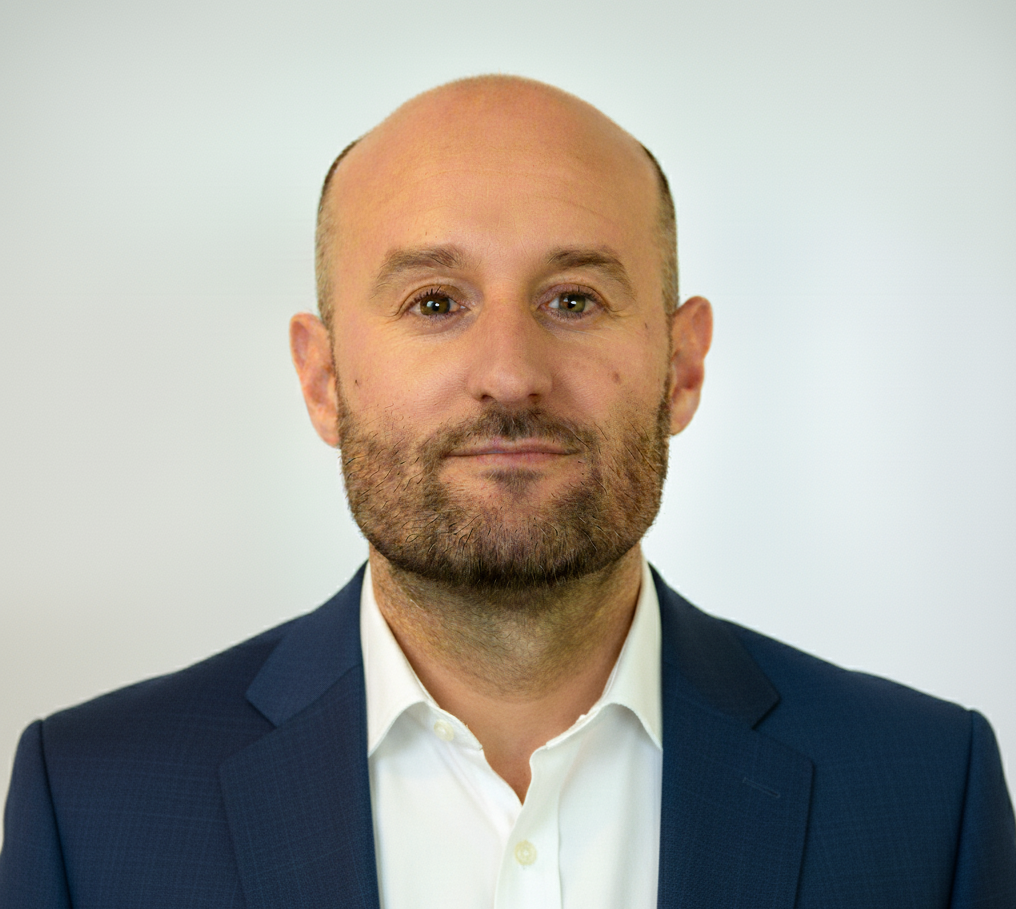 Antonio José Torija Martínez
University of Salford, Salford, UK
Prof. Antonio J. Torija Martinez is a world-leading expert in environmental acoustics and pioneer of Perception-Driven Engineering, placing human noise perception at the centre of design for sustainable mobility and decarbonisation. His expertise has earned him international recognition and invitations such as providing evidence to the UK House of Lords on noise and health. He has led major EU, UKRI, and industry-funded projects, following a prestigious Marie Skłodowska-Curie Fellowship, and received multiple awards for excellence in acoustics. Widely published in top journals including Nature and Scientific Reports, he contributes to key international groups on aircraft and UAS noise (NASA, NATO, ISO, IEA). He serves as the UK’s Responsible National Expert on heat pump acoustics and chairs the Quiet Drones international conference series, being recognised as the world’s most influential author on drone noise.
Projections for Future Soundscapes: Challenges and Opportunities in the Era of Drones and Net-Zero Transition
The ongoing transitions toward electric mobility, novel aircraft systems, and the decarbonisation of heating and cooling present an unprecedented opportunity to shape how our future soundscapes will be experienced. These transformations are redefining the acoustic signature of our daily lives—offering both exciting possibilities and formidable challenges for the acoustics community.
In this plenary lecture, Prof. Torija Martínez will explore how this new technological era parallels the introduction of jet-powered aircraft in the 1960s, when innovation reshaped both engineering and public perception of sound. Today’s emerging sound sources—electric vehicles, drones, and heat pumps—demand a renewed focus on how sound is perceived and managed in complex urban and rural environments.
Prof. Torija Martínez will discuss how psychoacoustic principles and perceptual modelling can enable perception-driven engineering: an approach that integrates human sound perception directly into the design of engineered systems. This paradigm shift moves beyond simply reducing noise, toward creating sound environments that are sustainable, acceptable, and conducive to well-being.
Drawing on recent work from his research group, Prof. Torija Martínez will illustrate how perception-driven design can support the responsible deployment of drone operations and the integration of heat pump systems, so the sound produced by these technologies don’t compromise people’s health and well-being.
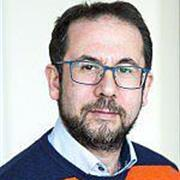 Gianluca Memoli
University of Sussex, Brighton, UK
Metasonixx Ltd., Brighton, UK
Gianluca has been working in acoustics for 20 years, all over the frequency spectrum. From medical ultrasound to soundscapes, from metrology to microbubbles... and now metamaterials. A physicist, an engineer, an inventor, an amateur thespian, Gianluca splits his time between teaching at the University of Sussex, being a father of two and nurturing the spin-off Metasonixx (IOP business start-up award of 2024). Gianluca has won multiple awards in his career for his teaching (his course of Entrepreneurship has been voted 4th in the world in 2025), his outreach (IOA award for communicating acoustic to the public in 2013), his research (a UKRI fellowship in 2017). This is his first ever plenary....and he is feeling honoured.
Metamaterials In Action
Acoustic metamaterials have been around for 15 years now. They are lighter, thinner and often more performant than traditional solutions. But, for many years, they have been closed in laboratories. Until now. In this talk, we will explore acoustic metamaterials' evolution in parallel with the history of light. More importantly, we will see them in action: in offices, hospitals, schools, along motorways. We will explore the quiet revolution which is slowly changing how we design acoustic spaces...and discuss why it has not fully happened yet.
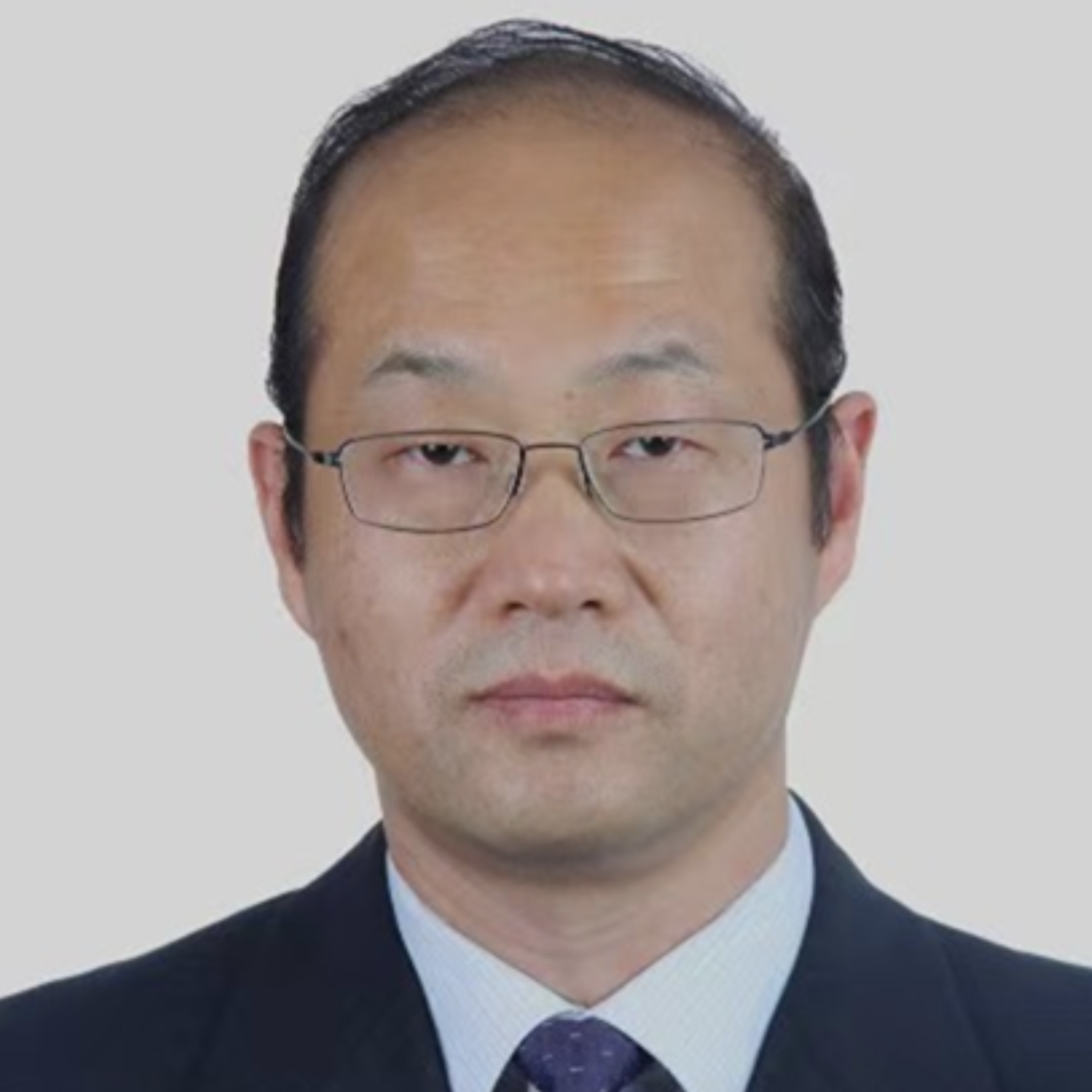 Shaopu Yang
Shijiazhuang Tiedao University, Shijiazhuang, China
Prof. Shaopu Yang is the vice chairman of China Railway Society and the former vice Chairman of the Chinese Society of Theoretical and Applied Mechanics. He received his BS degree in Marine and Shipbuilding Engineering from Tianjin University in 1983, a MS and a PhD in General Mechanics from Tianjin University in 1985 and 1991. He is the former president of Shijiazhuang Tiedao University, and currently the Director of the State Key Laboratory, Mechanical Behavior and System Safety of Traffic Engineering Structures, Shijiazhuang Tiedao University. He has visited Virginia Institute of Technology, University of Nevada and University of California from 1995 to 1997, 2002 to 2003 and 2012 as a visiting scholar, senior visiting scholar and senior research scholar respectively. His research interests include nonlinear dynamics and control, dynamics of vehicle-road coupled system, condition monitoring and fault diagnosis of machines.
Data-Model Hybrid-Driven Prognostics and Health Management for Axlebox Bearings of High-Speed Trains
As one of the core components in the bogie of high-speed trains, axlebox bearings are highly prone to failure induced by fatigue, overload, and other factors during service, which seriously threaten the operational safety of high-speed trains. With the advancement of technologies such as artificial intelligence (AI), big data, and the Internet of Things (IoT), the operation and maintenance (O&M) of axlebox bearings is transitioning from "passive maintenance" to "active prognostics." This presentation will explore the latest research developments in the prognostics and health management (PHM) of axlebox bearings, including dynamic simulation, weak fault feature extraction, intelligent fault diagnosis, and remaining useful life (RUL) prediction. Furthermore, it will showcase selected practical application cases in the field. Ultimately, this presentation aims to provide theoretical and practical references for advancing PHM techniques in the railway industry.
Participant's area I forgot my password Create a new account |
Photos of Istanbul  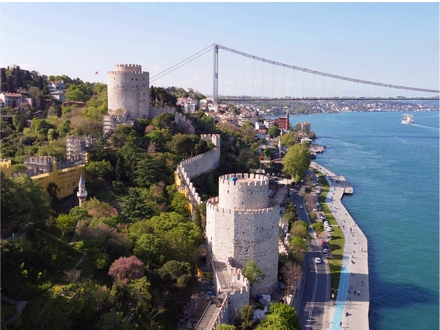   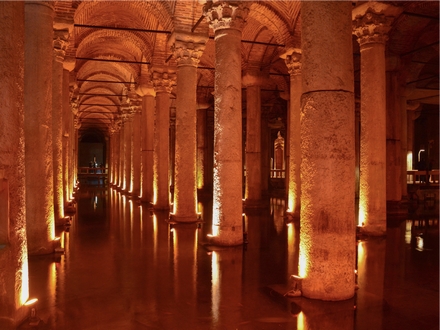   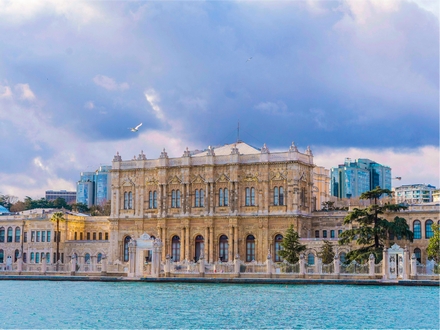      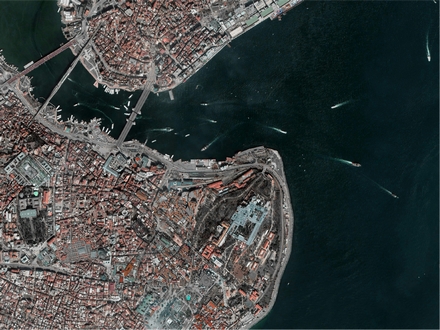           |
 |
ICSV32 will begin in
Days
Hours
Minutes
Seconds
|