



- Homepage
- Announcements
- Acoustics and Vibration Academy (AVA)
- Acoustic Events & Exhibitions
- Key Dates
- Congress Venue
- Distinguished Plenary Lectures
- Brochure
- Committees
- Program at a Glance
- Scientific Programme
- Submission Templates & Guidelines
- Social Programs
- Registration Fees and Details
- Accommodation
- Invitation Letter & Visa
- Sponsorship & Exhibition
- Exhibitors & Sponsors
- Student Paper Award
- Terms and Conditions of Attendance
- Publication Ethics and Malpractice Statement
- Editorial policy
- Contact Us
- IIAV
In order to cover the broadest range of high-level technical contributions from all over the world, the Scientific Programme is structured into 17 Theme Areas (T), that include several Structured Sessions and Regular Sessions.
| Theme Area T01 | Acoustical and Vibration Measurement and Instrumentation |
This theme area covers all aspects related to the measurement of sound and vibration. It includes sessions concerning traditional measurement instruments, but also concerning new measurement concepts: new transducers, new mathematical algorithms, new acoustical parameters, new measurement techniques and new applications of traditional technologies for multimedia and virtual reality. Emphasis is given on metrological aspects in acoustics, including traceability and uncertainty. Sessions on building acoustics as well as moving objects detection are also included. | |||||||||||||||
| |||||||||||||||
Regular Sessions
Structured Sessions
| |||||||||||||||

.jpg)
.jpg)

| Theme Area T02 | Signal Processing and Nonlinear Methods |
This theme area covers a wide range of topics related to the application of signal processing and nonlinear methods to the analysis of acoustics and vibration systems. This includes linear and nonlinear signal processing, vibro-acoustic imaging, source localization, inverse problems, big data problems, parametric and non-parametric pattern recognition, vibro-acoustical condition monitoring, diagnosis, and prognosis. | |||||||
| |||||||
Regular Sessions
Structured Sessions
| |||||||

.jpg)
.jpg)
| Theme Area T03 | Active Noise and Vibration Control |
The theme includes any concept or device that requires a combination of actuators (loudspeaker, piezoceramic, inertial actuator...), sensors (accelerometer, microphones...), and control units for real-time signal processing. The theme includes active and semi-active control of sound and vibration, and their applications in smart structures, smart earplug, smart headset, mechatronics etc. Presentations can include conceptual systems design, theoretical development, algorithms design and practical implementations of active control systems. | |||||||
| |||||||
Regular Sessions
Structured Sessions
| |||||||

.jpg)
| Theme Area T04 | AI Applications for Sound and Vibration and Condition Monitoring |
This theme area covers wide range of topics related to machine learning and deep leaning applications in sound and vibration problems. Machine diagnosis, fault detection, prediction of useful life, sound event detection, localization and separation of sources are covered but not limited to these topics. New AI applications of sensor-related technologies utilizing sound and vibration domain knowledges e.g. health care devices, physics informed AI, generative AI for sound and vibration are also covered in this theme. | |||||||||||
| |||||||||||
Regular Sessions
Structured Sessions
| |||||||||||


| Theme Area T05 | Physical Acoustics, Ultrasound, and Wave Propagation |
All aspects of ultrasonic wave propagation including analytical modelling, numerical modelling, transduction mechanisms, imaging algorithms, quantitative inversion algorithms as well as nonlinear acoustic. This theme is interested in the biomedical, non-destructive testing and structural health monitoring fields of application. | |||||||||||||
| |||||||||||||
Regular Sessions
Structured Sessions
| |||||||||||||
.jpg)
.jpg)

| Theme Area T06 | Materials for Noise and Vibration Control |
Materials come in a variety of forms to provide sound absorption, isolation, and vibration damping. In the last decades, the use and variety of available materials has increased greatly. Recent advances in material science, manufacturing processes, chemistry, and nanotechnologies are producing significant improvements in the design, production, and performance of specialized materials and metamaterials. Papers related (but not limited) to advances, development, analysis and/or optimization of materials or metamaterials that have been produced for the specific purpose of providing high values of sound absorption, vibration damping, and vibration and/or noise isolation are welcome within this Subject Area. The papers can be related to fundamental research, and/or applications, related to design, modelling, testing, and/or manufacturing of noise and vibration control materials or metamaterials. Due to the importance of the subject, this subject area will also welcome studies on environmentally friendly materials that are made of recycled products and/or through less contaminating processes. | |||||||||
| |||||||||
Regular Sessions
Structured Sessions
| |||||||||
.jpg)
.jpg)
| Theme Area T07 | Structural Dynamics and Nonlinear Vibration |
This theme area covers all the aspects of experimental and computational methods of Structural dynamics and nonlinear vibration. The theme area includes (but are not limited to) modal analysis, vibration and control of linear/nonlinear mechanical systems, structural acoustics/vibration, rotor dynamics, fatigue/fracture/joint interfaces, and optimal design/uncertainty quantification. The following recent advanced issues are also encouraged to participate in this theme: Dynamic substructuring and frequency based substructing (FBS), Inverse problems for source or system identification, Machine learning in structural dynamics and nonlinear vibration, Computational vibration analysis, computational acoustics, FEM, BEM, FVM for linear/nonlinear systems, Fluid-structure interaction, Vibration energy harvesting, Vibration absorption, Metamaterials, Prognostics and health management (PHM), etc. | |||||||||||||||||||||
| |||||||||||||||||||||
Regular Sessions
Structured Sessions
| |||||||||||||||||||||
.jpg)
.jpg)
.jpg)
| Theme Area T08 | Aeroacoustics, Thermoacoustics, Combustion Noise, Aircraft Noise and Vibration |
This subject area includes all aspects concerning sound generated by fluid flow, combustion processes or by the interaction of a flow with surfaces, as well as aircraft noise and vibration. Some examples are the description of source mechanisms or of the propagation in particular situations; jet noise; fan and compressor noise; wind turbines; active or passive control of aerodynamically generated sound and vibration, notably in aircraft, trains, and other vehicles, including space vehicles; analytical and numerical solutions for specific problems. | |||||||||||||||||||||||||||||||||||
| |||||||||||||||||||||||||||||||||||
Regular Sessions
Structured Sessions
| |||||||||||||||||||||||||||||||||||
.jpg)
.jpg)
.jpg)
| Theme Area T09 | Vehicle, Road and Railway Noise and Vibration |
The theme area on vehicle, road and railway noise and vibration covers the broad issue of generation, propagation and control of sound and vibration from vehicle, road and railway. With recent developments such as the revision of EU type approval standards and the gradual increase of electric and hybrid vehicles, novel design, analysis and control methods for traditional, electrical and hybrid vehicles are discussed. The acoustics of vehicle cabins involve quiet environments and pleasant hearing, and are receiving increasing attention; the active engine and road noise control, sound design and realization inside vehicles, will be highlighted as well. Also, railway transportation has gained more attention in recent years since it offers sustainable development, high energy efficiency, low greenhouse gas emissions, and great passenger and freight capacity. This expansion, including high-speed railway lines, represents a scientific and technical challenge in terms of developing accurate and efficient experimental techniques as well as numerical models that enable the optimized development and design of systems from the perspective of noise and vibration reduction. | |||||||||||||
| |||||||||||||
Regular Sessions
Structured Sessions
| |||||||||||||
.jpg)
.jpg)
| Theme Area T10 | Marine Acoustics, Ship Noise and Vibration |
This theme area on marine noise includes ship noise and vibration, harbor, and environmental underwater noise, underwater noise from pile driving, marine propeller noise, underwater acoustic communication and signal processing, numerical methods for underwater acoustics and vibro-acoustics of submerged structures. | |||||||||||||
| |||||||||||||
Regular Sessions
Structured Sessions
| |||||||||||||
.jpg)

.jpg)

| Theme Area T11 | Physiological and Biological Acoustics |
This theme area encompasses a broad range of topics in physiological and biological acoustics, including mammalian and arthropod bioacoustics, vibrational communication, and the morphology and sensory physiology underpinning biomechanical and dynamic processes. We welcome both theoretical and applied contributions, particularly those that advance fundamental understanding or demonstrate innovative applications. | |||||||||
| |||||||||
Regular Sessions
Structured Sessions
| |||||||||
.jpg)
.jpg)
.jpg)
| Theme Area T12 | Industrial and Occupational Noise, Health and Safety |
This theme involves hearing loss prevention and protection of workers exposed to occupational noise and vibration. It includes, but is not limited to, the identification of risk arising from noise and vibration at work, the development and improvement of measurement and assessment methods, predictive and modelling methods, hearing protection (measurements, advanced technologies, comfort), hand-arm and whole-body vibration, machinery, and factory noise, etc. | |||||||||||||
| |||||||||||||
Regular Sessions
Structured Sessions
| |||||||||||||
.jpg)

| Theme Area T13 | Environmental Noise and Impact |
This theme area covers all aspects of environmental noise (noise sources, sound propagation, effects of physical factors etc.) and field measurements with the new techniques in noise monitoring. The area emphasizes environmental noise modelling, noise mapping, verifications and assessment to be based for action plans and environmental noise management strategies including abatement measures such as noise barriers. Topics include impact of noise, assessment of health risks, community noise response research, criteria developing, the role of sound in urban experience, community involvement. The theme area explores how people interact with their sonic environment, investigating the multifaceted influences of sound on everyday life, addressing ways to enhance sound quality in both indoors and outdoors. Furthermore, the sessions explore ways for fostering awareness, employing methods such as citizen science to actively engage the public in understanding the sonic environment. | |||||||||||||||||
| |||||||||||||||||
Regular Sessions
Structured Sessions
| |||||||||||||||||
.jpg)
.jpg)
.jpg)
| Theme Area T14 | Psychoacoustics and Soundscape |
The theme area explores how people interact with their sonic environment, investigating the multifaceted influences of sound on everyday life, addressing ways to enhance sound quality in both indoors and outdoors. Topics include auralization techniques, psychoacoustics, indoor space comfort, occupational noise hygiene, and emerging risks. Furthermore, the sessions explore ways for fostering awareness, employing methods such as citizen science to actively engage the public in understanding the sonic environment. It includes basic and applied research on the topic of sound and its role in urban and indoor spaces. We invite papers on the evaluation and characterization of the public and private realms, on laboratory studies of sound perception, on the opportunities for soundscape planning and design in urban contexts, as well as on the mobilization of soundscape research knowledge into practice. | |||||||||||||||||||
| |||||||||||||||||||
Regular Sessions
Structured Sessions
| |||||||||||||||||||

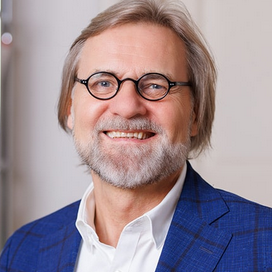
| Theme Area T15 | Building Acoustics and Vibration |
This theme area covers all aspects of the transmission of sound and vibration into, through and between building elements, the acoustical qualities of spaces and vibration design. The common framework is noise and vibration control in buildings. | |||||||||||||||
| |||||||||||||||
Regular Sessions
Structured Sessions
| |||||||||||||||

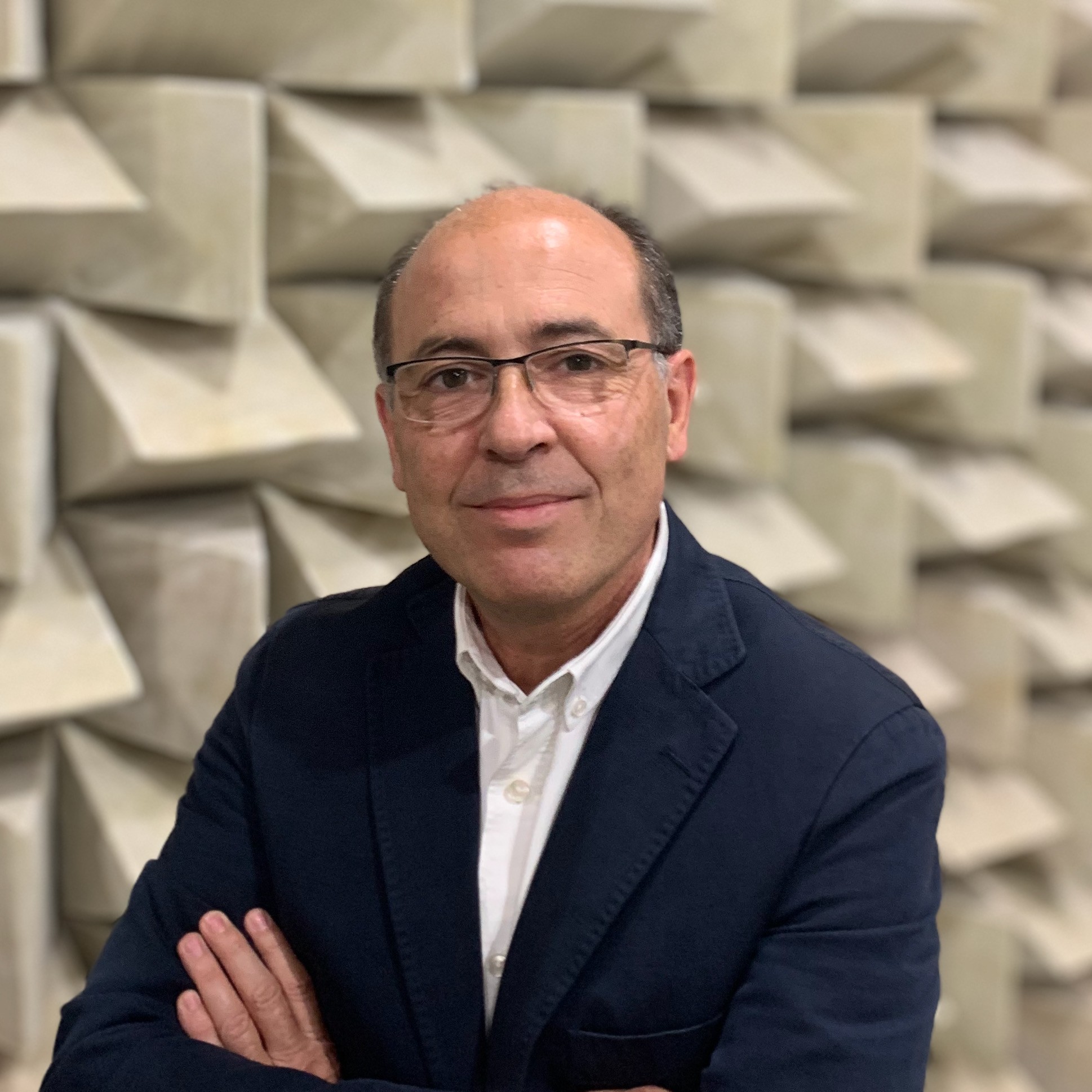
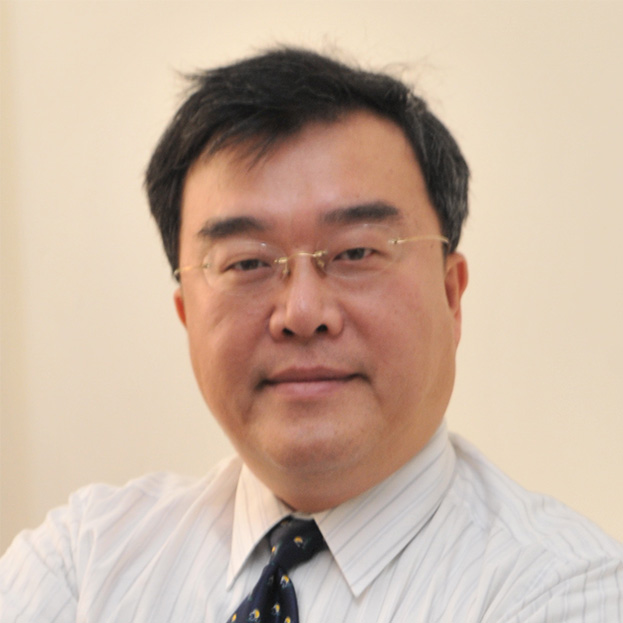
| Theme Area T16 | Room Acoustics, Musical Acoustics |
This theme area covers all aspects of room and musical acoustics, focusing on how enclosed spaces shape musical and listening experiences. Topics include, but are not limited to, room design strategies for different typologies, reverberation control, spatial impression, and acoustic requirements for various musical genres and performance settings. MUsical acoustics topics include modelling and analysis of musical instruments and the singing voice, analysis and synthesis of musical sounds, experimental techniques for sound and instrument characterization, music perception and cognition. The theme area explores how musicians and audiences perceive sound in concert halls, rehearsal rooms, recording studios, and other performance environments, addressing how acoustic conditions influence artistic expression, comfort, and engagement. It could also include advances in measurement, simulation, and immersive auralization. Furthermore, the sessions welcome emerging technologies, new innovative ideas, and collaborative design methods that support better communication between acousticians, architects, and performers. | |||||||||||||||||||||||||
| |||||||||||||||||||||||||
Regular Sessions
Structured Sessions
| |||||||||||||||||||||||||
.jpg)

.jpg)
| Theme Area T17 | Poster session & contest: Acoustics from Design to Practice |
This poster session focuses on acoustic consultancy practice and real-world applications. It provides a platform for consultants, industry professionals, and practitioners to share project experiences, design strategies, and implementation approaches from around the world, including successful solutions and challenging cases that required multidisciplinary collaboration. | |||
| |||
Regular Sessions
| |||


Participant's area I forgot my password Create a new account |
Photos of Istanbul  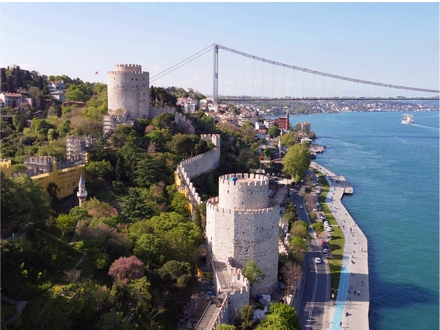  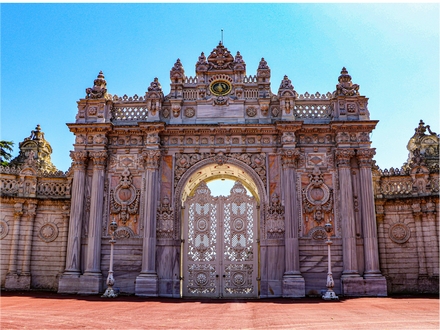 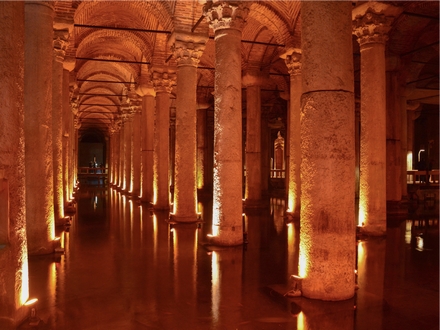 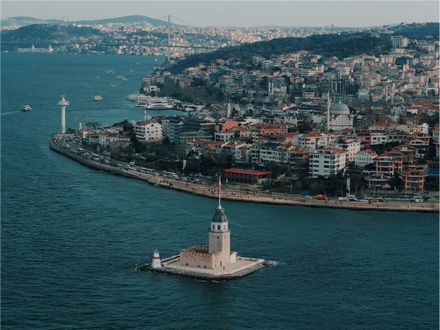  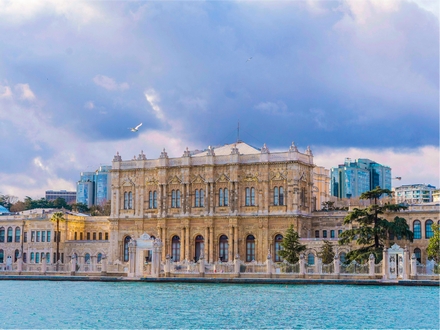 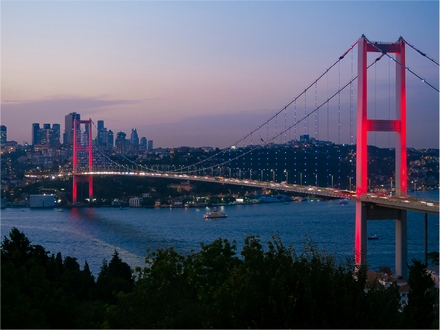  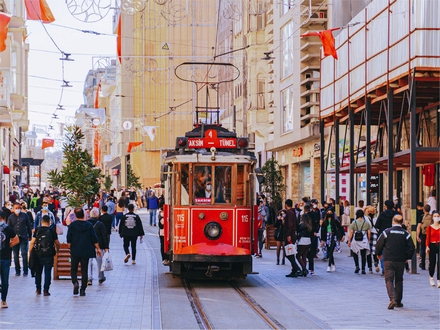 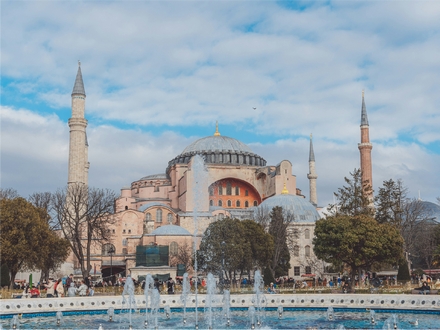  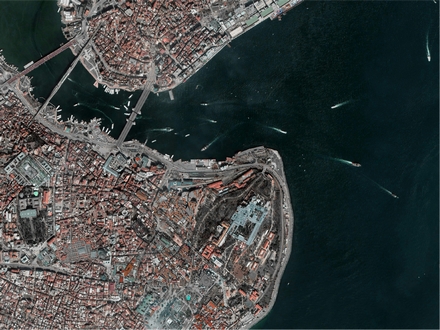  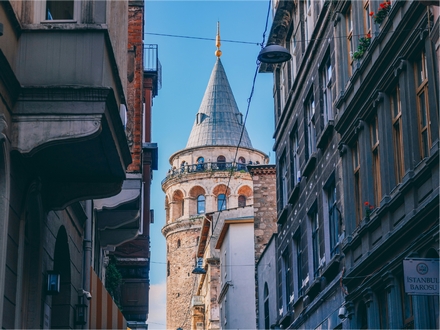 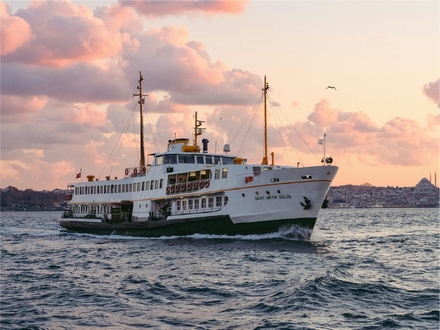 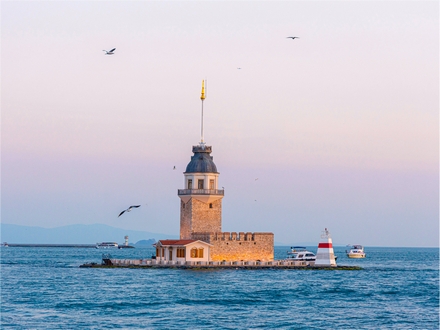       |
 |
ICSV32 will begin in
Days
Hours
Minutes
Seconds
|